Pet food touches every part of the sustainability conversation: animal health, ingredient sourcing, environmental impact, packaging, toxins, and regulatory oversight. Most consumers assume pet food is safe, nutritious, and well-regulated. Unfortunately, this is not always the case. Nutrition determines everything from immune resilience to longevity. Ingredient choices determine ecological impact. And manufacturing practices determine safety… Continue reading Why Pet Food Matters
Category: Pet Food
Contaminants in Pet Food
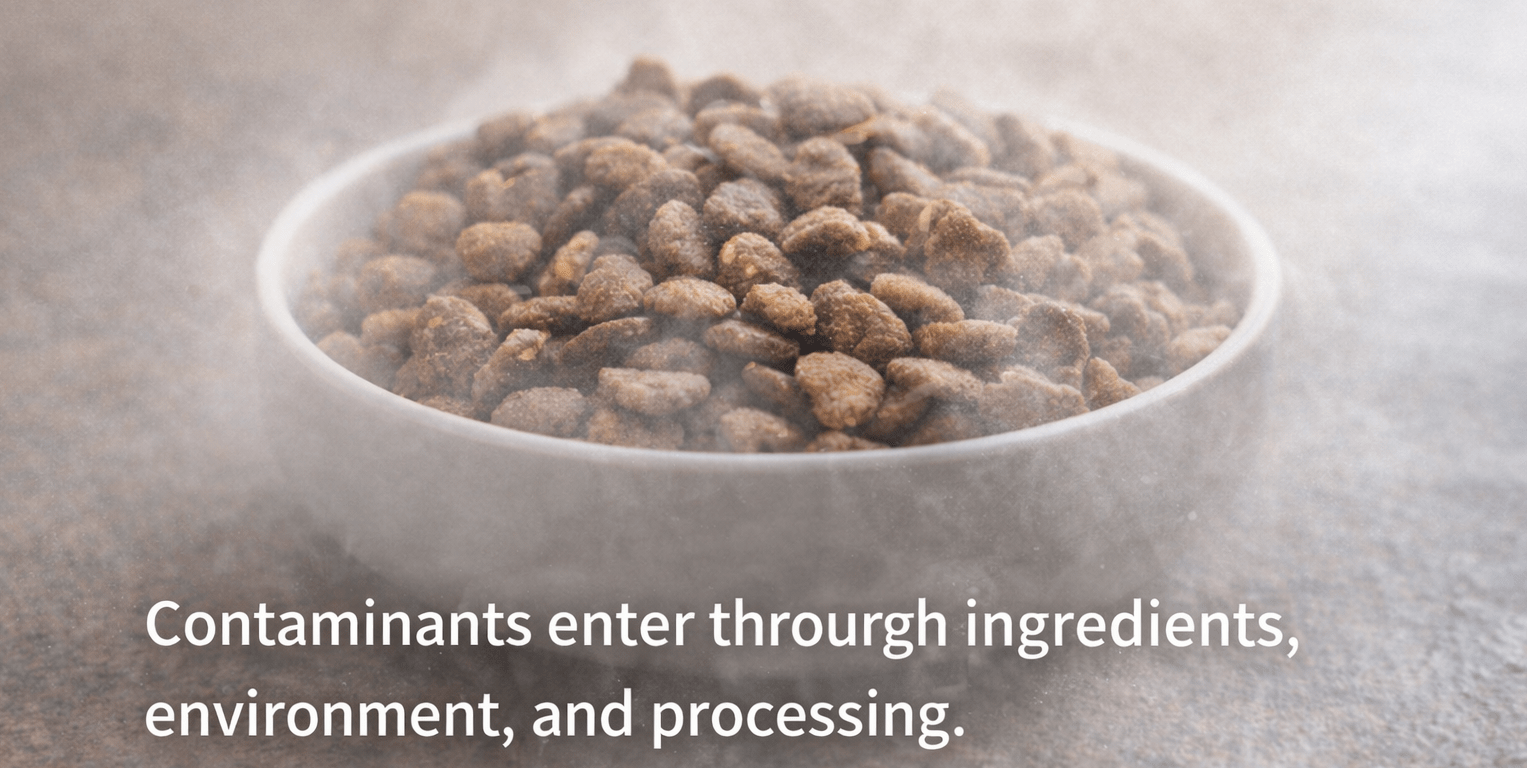
Many ingredients are used in pet food that are unfit for human consumption. The industry uses heat and pressure to kill off any parasites or pathogenic organisms that might be lingering in raw materials such as slaughterhouse wastes and used restaurant grease. FDA rules allow spoiled and decayed products to be used as long as… Continue reading Contaminants in Pet Food
The Environmental Cost of Pets
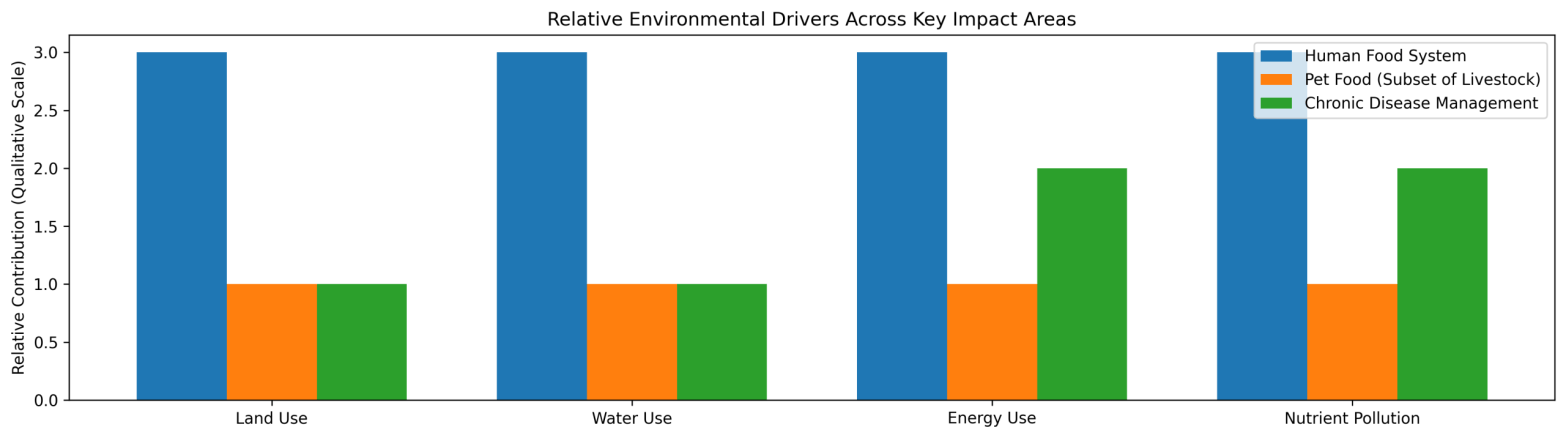
Pets can be environmentally expensive. U.S. dogs and cats consume roughly a third of America’s animal-derived energy. Some analyses have blamed pet food for as much as 25–30% of the environmental impacts from animal production, including land use, water use, fossil fuels, fertilizers, and agricultural chemicals. That sounds alarming—but most estimates are based on theoretical… Continue reading The Environmental Cost of Pets
Label Transparency & Consumer Advocacy
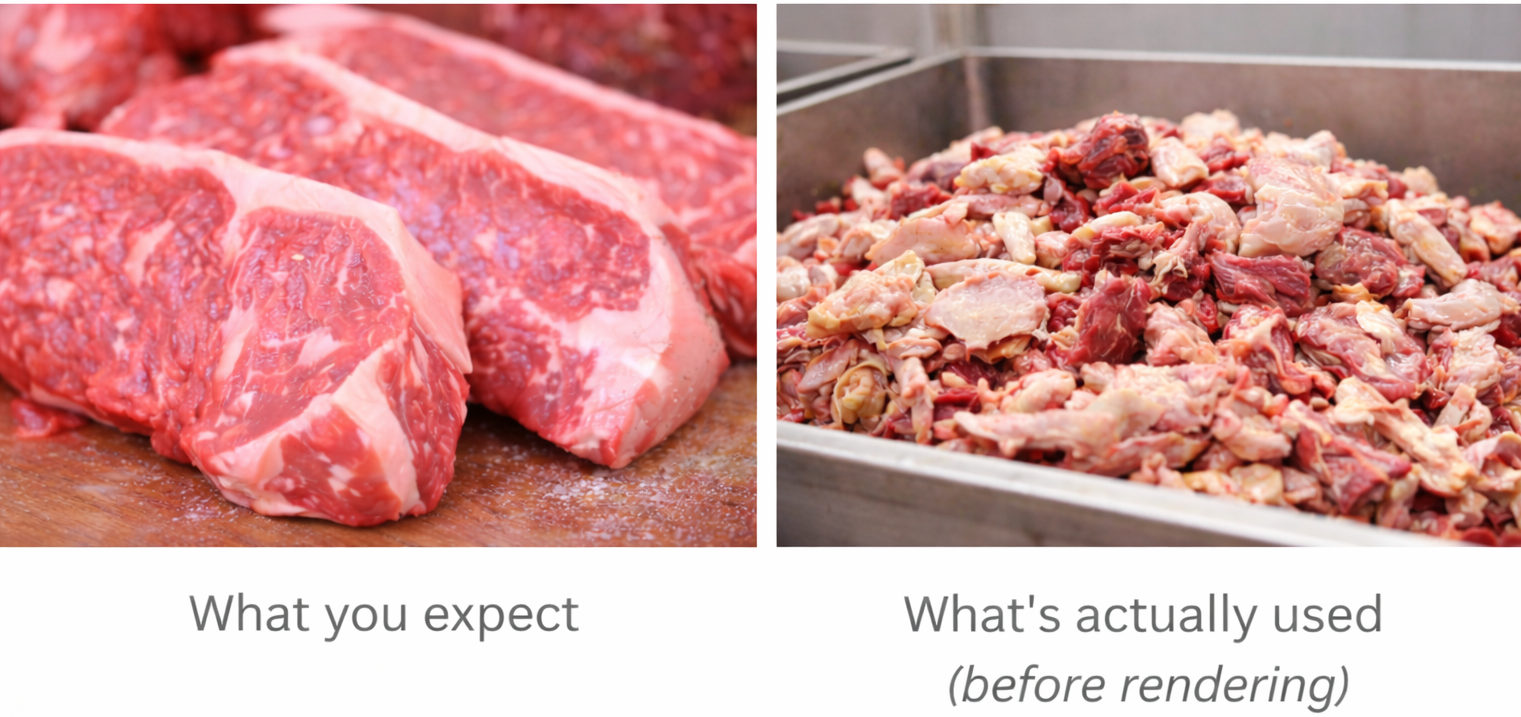
Pet parents assume that the pet food label tells the truth. They expect “chicken” to mean chicken, and “natural” to mean something from nature and not a laboratory. Unfortunately, pet food labeling standards in the United States allow confusing terminology, broad loopholes, and marketing language that obscures what is actually in the bag or can.… Continue reading Label Transparency & Consumer Advocacy
 Pet Sustainability Project